

Painting Interior Doors Like a Pro: Get Clean, Lasting Results Every Time
Interior doors do more than separate rooms. They contribute to the overall style and appearance of your home. A freshly painted door can make a space feel cleaner, brighter, and more polished. On the other hand, a poorly painted door with brush marks, drips, or peeling paint can stand out for all the wrong reasons.
If you have ever tackled
painting interior doors only to discover fingerprints in the finish or mysterious paint runs that seemed to appear out of nowhere, you are not alone. The good news is that achieving professional-looking results is possible with the right preparation, tools, and techniques. Whether you are updating one door or giving every room a refresh, these tips will help you get smooth, durable results that look great for years.
Why Proper Preparation Is the Secret to Professional Interior Door Painting
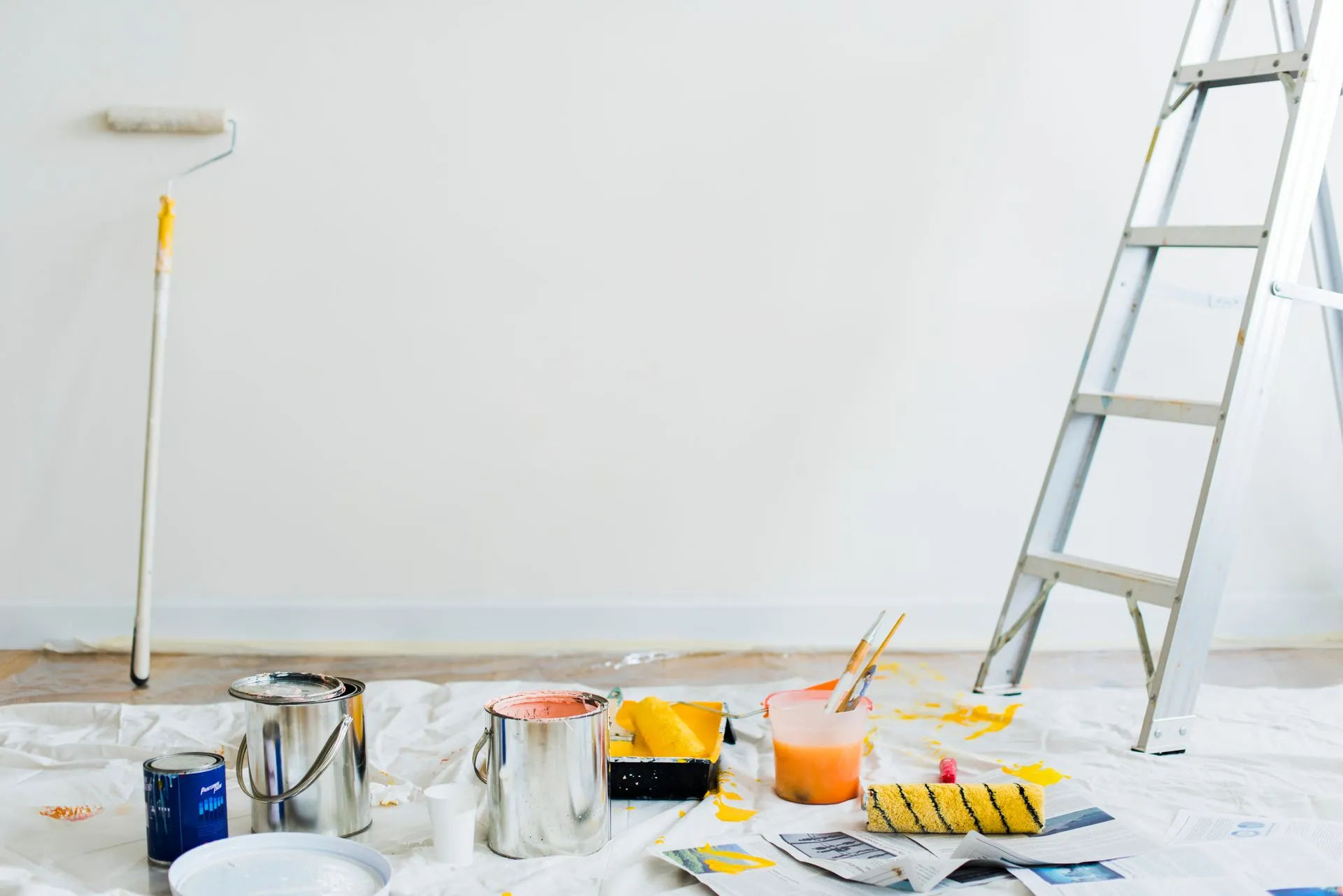
When it comes to interior painting, preparation often determines whether your finished project looks professional or frustrating. While it may be tempting to grab a brush and get started right away, taking time to prepare the door properly can save hours of corrections later.
Before painting, inspect the door for dents, scratches, or old peeling paint. Small imperfections become surprisingly noticeable once a fresh coat of paint goes on.
A few essential preparation steps include:
- Clean the surface thoroughly: Dust, fingerprints, and grease can prevent paint from adhering properly.
- Remove hardware when possible: Taking off knobs, hinges, and locks creates cleaner edges and a more professional finish.
- Fill imperfections: Use wood filler to repair dents, holes, or scratches.
- Sand lightly: Sanding helps smooth repairs and gives the paint a surface to grip.
- Prime when needed: Primer is especially important when covering dark colors, stains, or glossy finishes.
Many homeowners underestimate how much dirt accumulates on interior doors over time. Areas around handles and edges often collect oils from daily use. If paint is applied directly over these surfaces, it may chip or peel prematurely.
Think of preparation like making a bed before putting on clean sheets. It may not be the exciting part, but it makes a huge difference in the final result.
Best Techniques for Painting Interior Doors Without Streaks or Brush Marks
One of the biggest challenges with painting interior doors is achieving a smooth, factory-like finish. Fortunately, professional painters rely on a few proven techniques that consistently produce excellent results.
The first step is choosing the right paint. Many professionals prefer semi-gloss or satin finishes because they are durable, easy to clean, and resistant to everyday wear.
To create a smooth finish:
- Use quality brushes and rollers: Cheap tools often leave visible streaks and shed bristles into wet paint.
- Work in sections: Paint panels first, followed by horizontal rails and vertical stiles.
- Apply thin coats: Multiple thin coats typically look better than one heavy coat.
- Maintain a wet edge: This helps prevent lap marks and uneven texture.
- Allow proper drying time: Rushing between coats can ruin an otherwise beautiful finish.
For paneled doors, following the natural design of the door helps paint level more evenly. Start with recessed sections and work outward. Flat doors are generally easier and can often be rolled for an ultra-smooth appearance.
One common mistake is overworking the paint. Once paint begins to set, repeatedly brushing over the same area can create visible marks. In many cases, the best approach is to apply the paint evenly and then leave it alone to dry.
Patience is often the difference between a door that looks professionally painted and one that looks like it survived a paintbrush wrestling match.
How to Get Long-Lasting Results and Avoid Common Door Painting Mistakes
A freshly painted door may look fantastic on day one, but durability is what separates quality work from a short-lived makeover. Proper curing and maintenance play a major role in preserving your investment.
After completing your interior painting project, avoid putting the door back into heavy use immediately. Paint may feel dry to the touch within hours, but full curing can take several days depending on the product and environmental conditions.
To maximize longevity:
- Allow adequate cure time: Follow manufacturer recommendations before heavy use.
- Avoid slamming doors: Fresh paint remains vulnerable to damage during the curing process.
- Use durable paint products: High-quality paints typically resist scuffs and scratches better.
- Keep surfaces clean: Regular dusting helps preserve the appearance of painted doors.
- Touch up minor damage promptly: Small chips can often be repaired before they become larger issues.
Several common mistakes can shorten the lifespan of painted doors. Applying paint too thickly, skipping primer, painting over dirty surfaces, and ignoring humidity levels are among the most frequent issues professionals encounter.
Another factor often overlooked is color selection. Lighter colors can brighten interiors and show less wear, while darker colors create dramatic visual impact but may reveal fingerprints more easily.
The goal is not simply to make a door look good today. It is to create a finish that continues looking great through years of opening, closing, bumping, and occasional encounters with pets, children, and grocery bags.
Trust Painting & Moore for Professional Interior Painting Services in Charlotte, NC
While many homeowners enjoy DIY projects, achieving flawless results with painting interior doors often requires experience, specialized tools, and attention to detail. If you want beautifully painted doors without the hassle, Painting & Moore is here to help.
Our team provides professional interior painting services throughout Charlotte, Monroe, Gastonia, Huntersville, NC, and Rock Hill, SC. We focus on quality preparation, expert application techniques, and durable finishes that enhance the beauty of your home while standing up to everyday use.
In addition to interior painting, we also offer
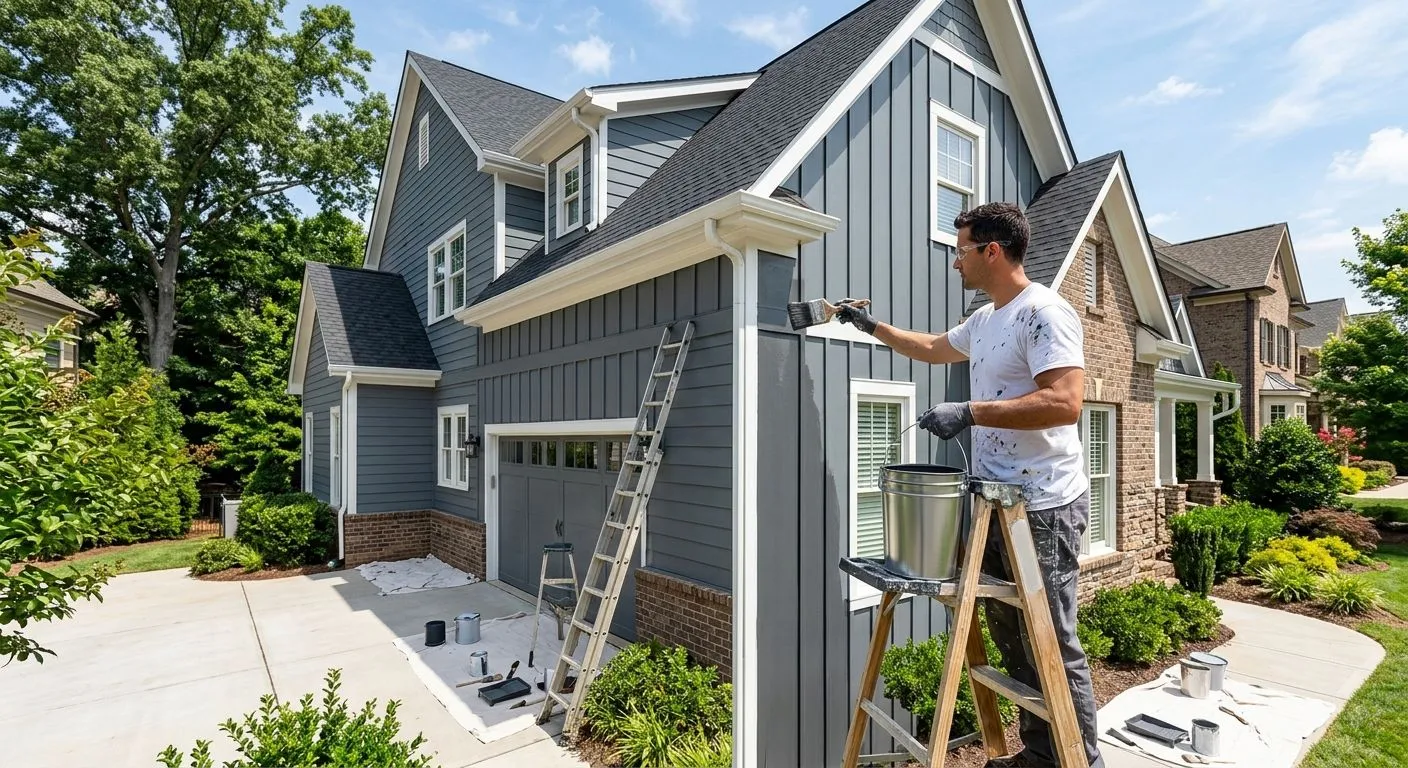
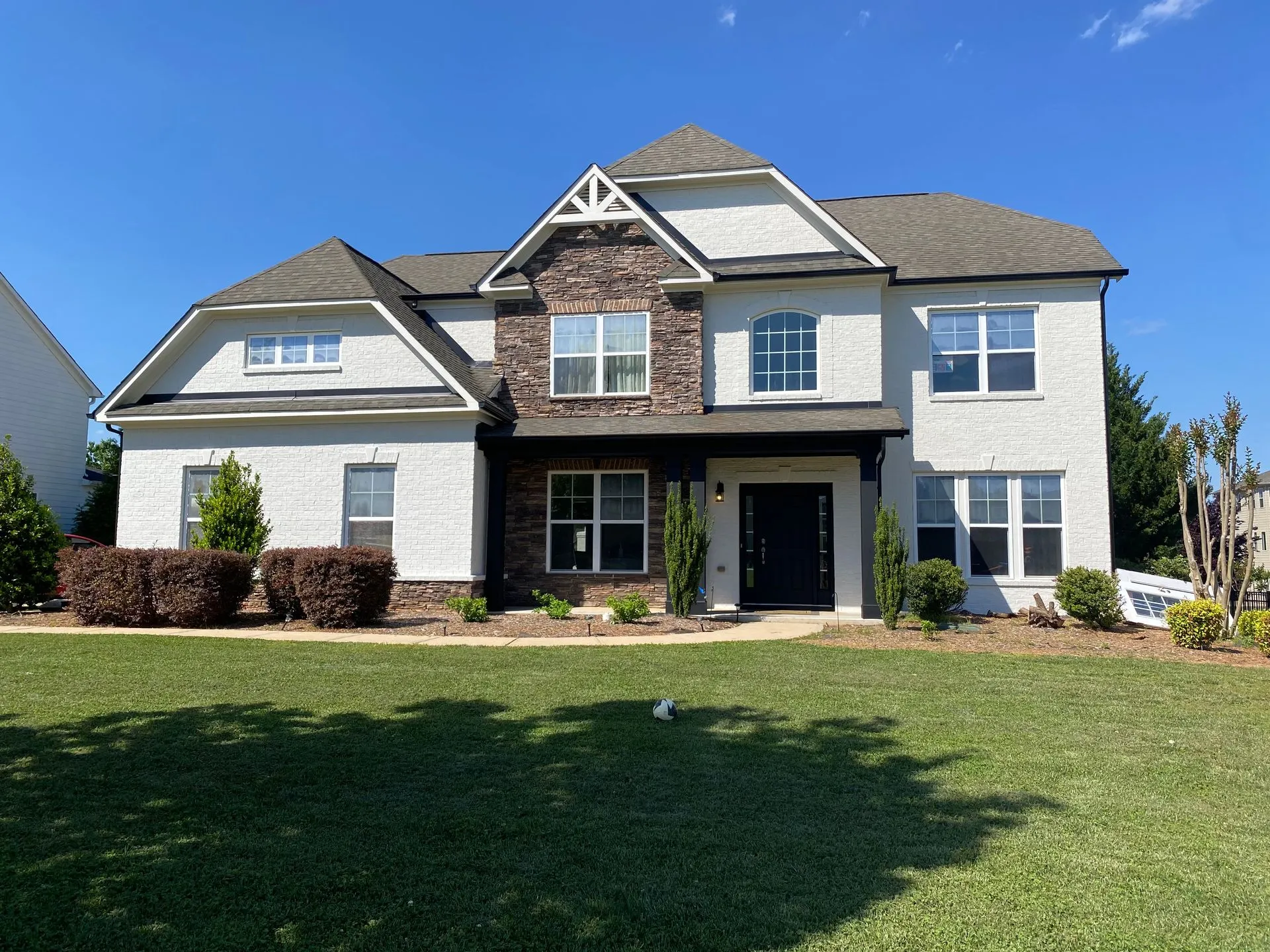
exterior painting,
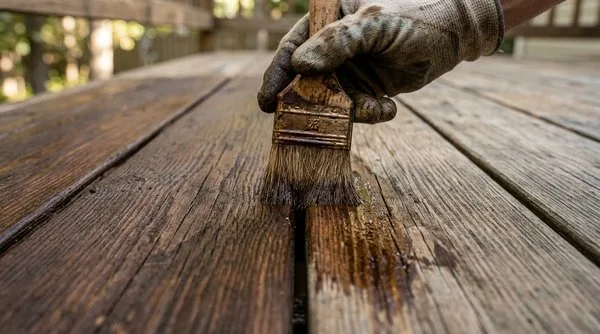
deck staining,
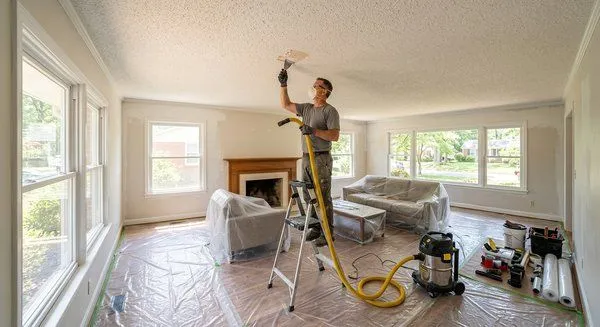
brick painting, wallpaper removal, and popcorn ceiling removal services. Call Painting & Moore today at
(704) 567-7781 to request a free estimate and discover how our experienced team can help transform your home's interior with professional craftsmanship and lasting results.
Frequently Asked Questions About Painting Interior Doors
What type of paint is best for interior doors?
Semi-gloss and satin finishes are popular choices because they provide durability, easy cleaning, and an attractive appearance.
Should I remove the door before painting it?
While it is possible to paint a door while it remains installed, removing it often allows for easier access and a smoother finish.
How many coats of paint do interior doors need?
Most interior doors require two coats of paint after proper preparation and priming when necessary.
w long does painted door paint take to cure?
Paint may dry within a few hours, but complete curing often takes several days depending on the product and environmental conditions.
Is it worth hiring professionals for interior door painting?
Professional painters can often achieve smoother finishes, cleaner lines, and more durable results while saving homeowners time and frustration.